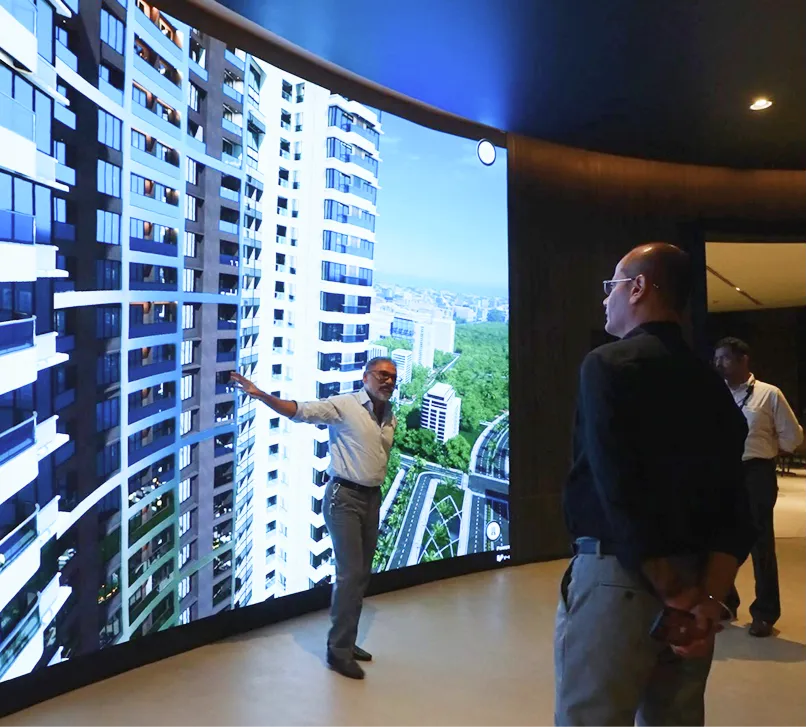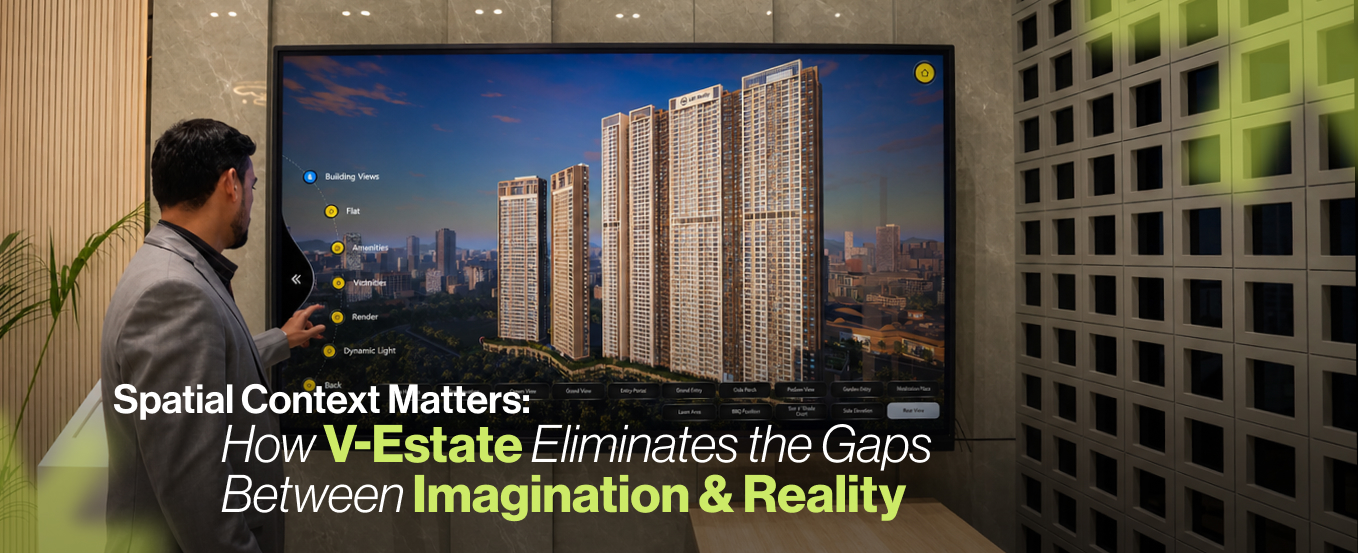
Buyers walk through a property once. They imagine the space in their daily life. Reality rarely matches imagination. Static floor plans and site visits leave critical gaps. Developers lose qualified leads because buyers struggle to visualize the actual living experience. V-Estate closes this gap. It is an offline interactive sales tool that transforms how buyers experience properties before committing.
The Real Problem: Visualization Breakdown in Property Sales
Most buyers cannot visualize spatial context from images alone. A floor plan shows dimensions. It does not show how morning light enters the bedroom. A brochure displays amenities. It does not clarify the actual distance to schools or metro stations. This visualization gap costs developers real sales.
Physical show flats address part of the problem. They cost significantly. Maintenance is ongoing. Access remains limited. Buyers in different cities cannot visit. Weather disrupts schedules. Traffic delays appointments. Sales teams repeat the same explanations to each visitor, wasting time and resources.
Lead conversion in traditional setups stalls at 20-30%. Why? Buyers leave uncertain. They cannot picture themselves in the space. Doubt grows. They delay decisions or explore competitors. Without immersive context, buyer confidence never builds strongly enough.
Marketing teams face a specific challenge. They cannot gather data on buyer preferences from a static brochure. Which features matter most? Which amenities drive decisions? The traditional sales process provides no answers. Pitches remain generic. Campaigns miss the mark.
Offline Activation Changes the Game
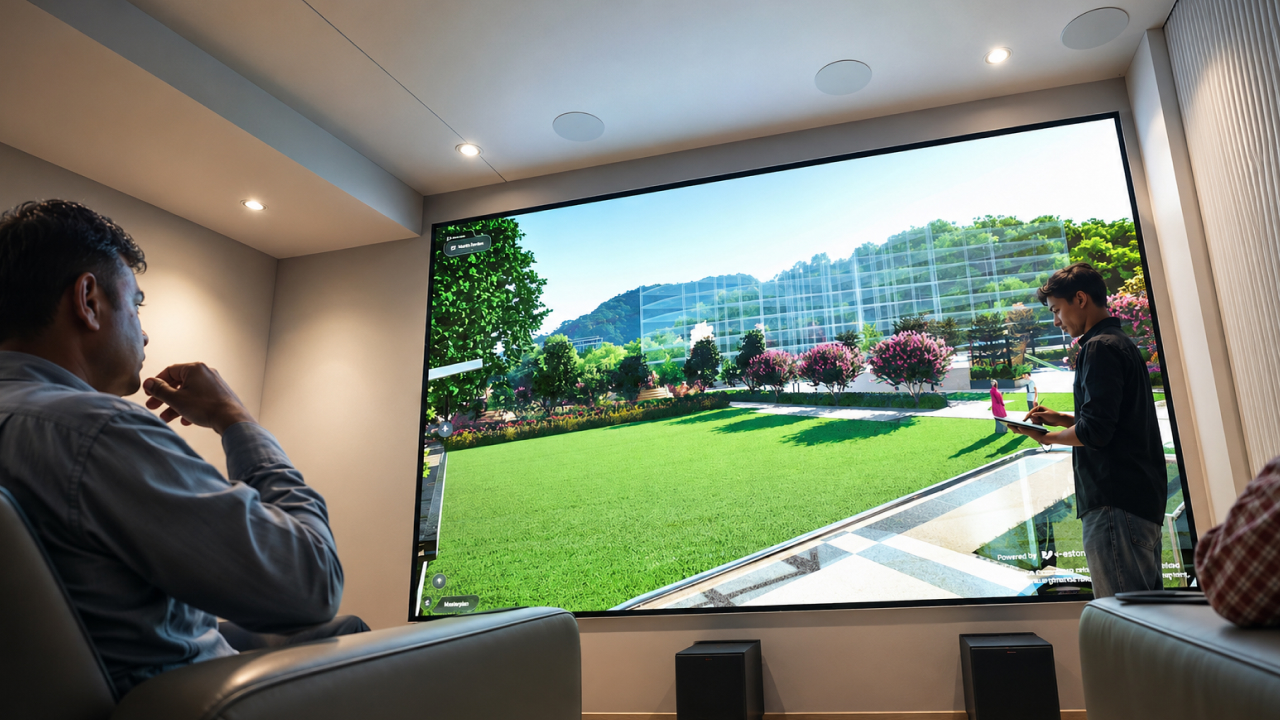
V-Estate operates offline. No internet required. No connectivity issues. No delays. Sales teams deploy it on tablets or laptops at events, offices, or on-site locations. Buyers explore at their own pace. No pressure. No scripted tours. Buyers control what they see and when they see it.
This matters in India's real estate market. Power outages happen. Rural regions lack consistent connectivity. Offline deployment reaches buyers traditional tools cannot reach. Urban professionals at exhibitions. Remote investors in tier-2 cities. Everyone accesses the same immersive experience.
Photorealistic 3D Show Flats: The Core Visualization Engine
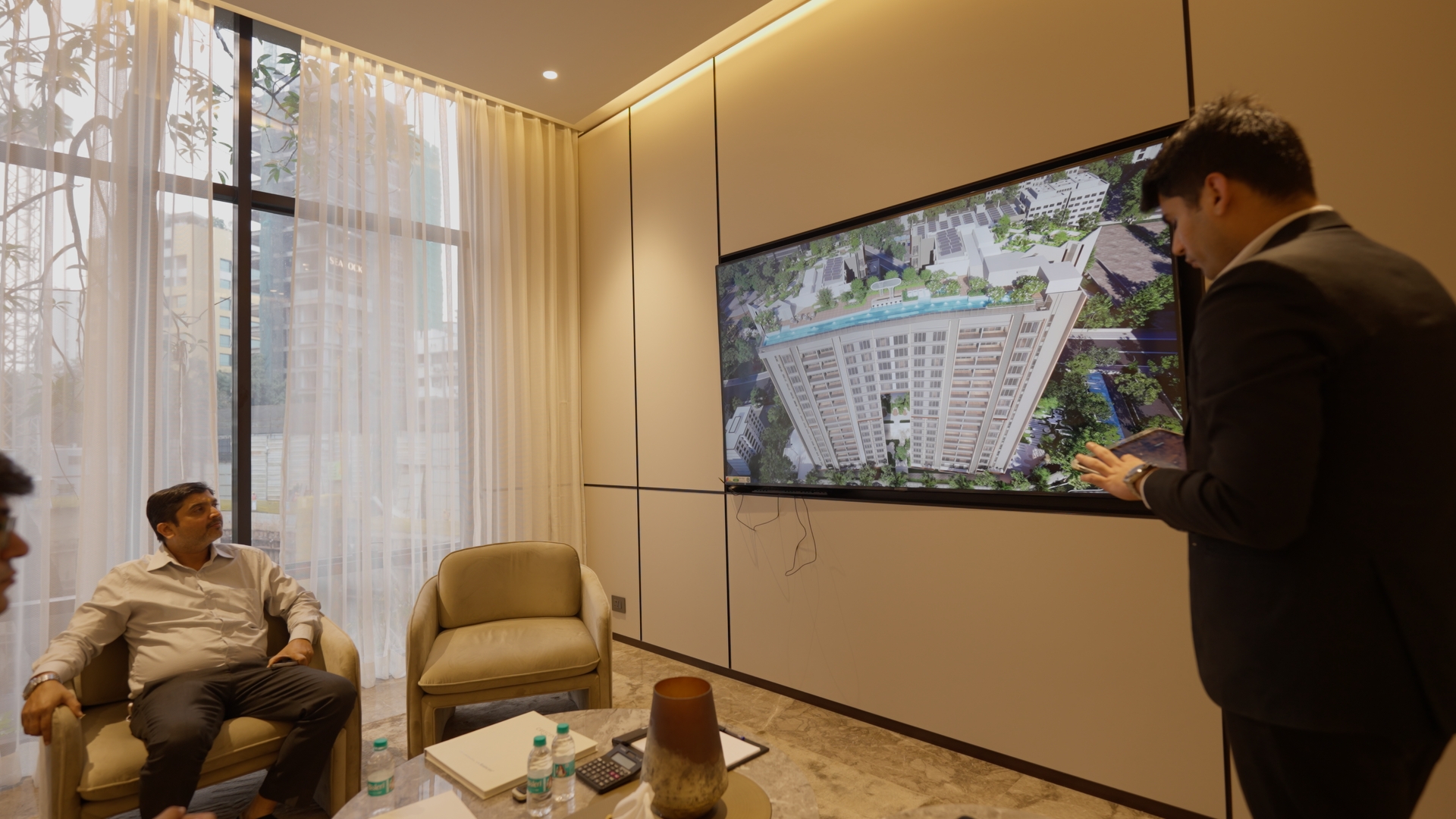
See the actual living experience. V-Estate renders photorealistic 3D show flats. These are not cartoons or sketches. Details matter. Texture on walls. Natural light angles at different times. How the evening sun reflects off the window frame. The actual view from the balcony—parks, skyline, or street activity.
A buyer sits in the virtual living room. They see how sunlight streams in during morning coffee. They walk to the kitchen. They notice the counter space. They step onto the balcony. They see the actual neighborhood below. This is not imagination. This is spatial reality.
The difference is measurable. Buyers who see photorealistic 3D show flats make faster decisions. Hesitation drops when reality matches expectation. Fewer surprises after purchase. Post-sale satisfaction increases. Referrals grow.
Customization: Buyers Design Their Space
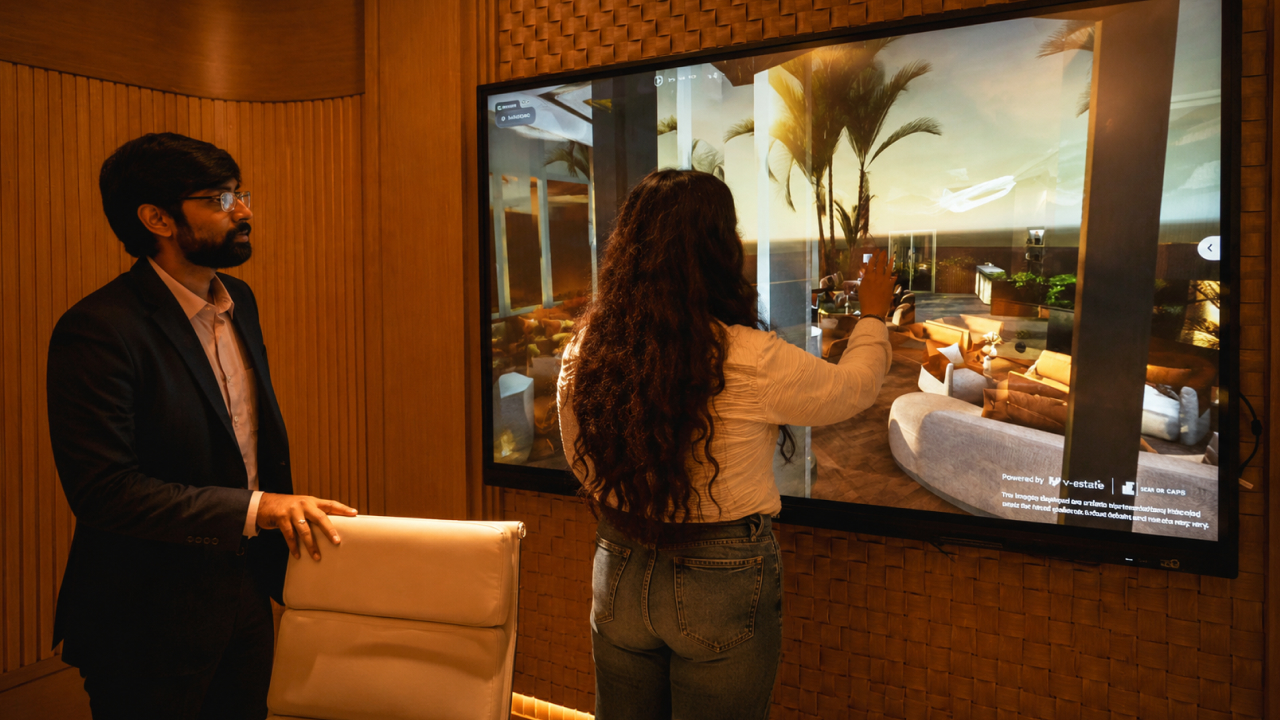
Buyers do not want to imagine—they want to decide. V-Estate lets them customize instantly. Change wall paint colors. See how different shades affect the room. Try furniture arrangements. Swap a sofa set. Preview what fits best in real space. Swap kitchen finishes. Explore bathroom fixtures.
Dynamic lighting controls show time-of-day shifts. See the bedroom at dawn. See it at dusk. See how window light patterns change. Weather controls show the same view in rain or sunshine. Buyers understand the property across seasons and conditions, not just in ideal circumstances.
This customization does something critical. It shifts the buyer's mindset from passive observer to active decision-maker. Ownership begins before purchase. Emotional investment builds. Commitment strengthens.
Amenity Mapping: Context Beyond Unit Walls
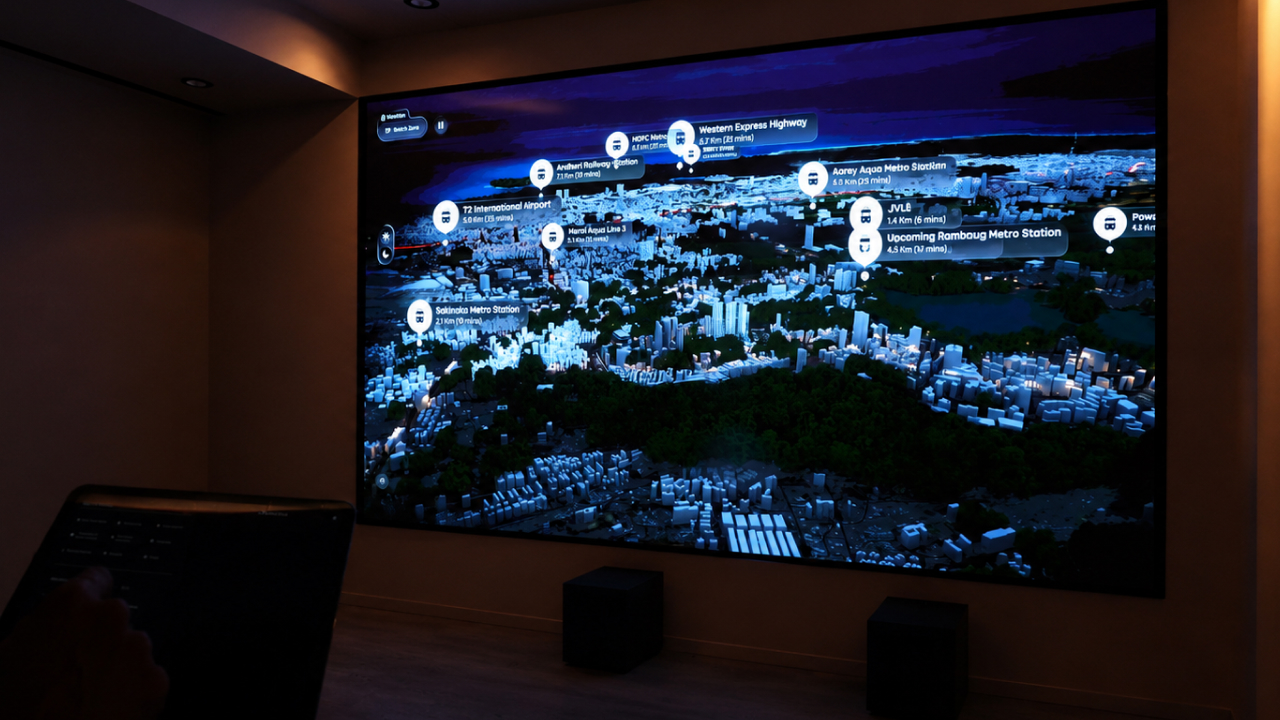
Buyers choose neighborhoods, not just apartments. V-Estate maps nearby facilities precisely. Schools. Hospitals. Shopping centers. Parks. Transit stations. All visualized on the property map.
Current infrastructure appears clearly. Upcoming projects layer on top. Connectivity becomes transparent. How far to the metro? How long to offices? What schools are nearby? Buyers see ecosystem value, not just square footage.
Amenity mapping removes vagueness. No guessing about convenience. No second-guessing commute times. Buyers assess lifestyle fit in minutes. Sales reps guide with data, not assumptions. Conversations shift from features to lifestyle alignment.
Data-Rich Engagement for Marketing Teams
Every interaction generates insight. Which customizations do buyers choose most? Wall colors. Furniture styles. Layout preferences. This data reveals what actually matters to buyers. Market research emerges from real behavior, not surveys.
Marketing teams refine campaigns based on actual preferences. Messaging targets what drives decisions. Campaigns become precise. Cost-per-lead drops. Conversion rates improve because messaging matches buyer priorities.
Developers align product offerings with real demand. Spatial features buyers skip get reconsidered. Features buyers customize heavily get emphasized in future projects. Development decisions rest on data, not assumptions.
The Impact: Faster Sales, Better Retention
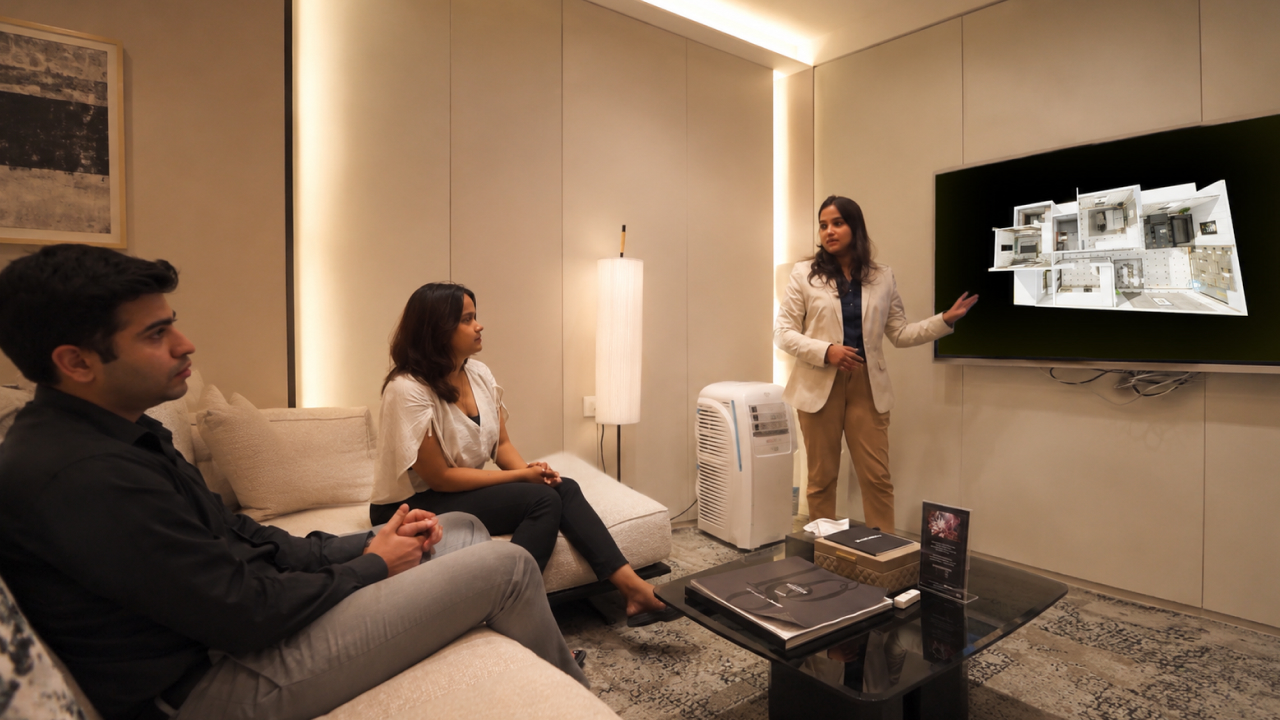
Developers using immersive visualization report 40-50% conversion lift. Why? Buyers grasp spatial reality upfront. Uncertainty vanishes. Serious inquiries rise. Time-to-close shrinks. One immersive demo replaces three or four site visits. Sales teams close more deals in less time.
Costs decline. Skip expensive show flat construction and maintenance. Offline deployment reaches broader audiences. Rural buyers engage equally. Scaling launches becomes feasible.
Post-sale satisfaction peaks. No surprises. Buyers receive what they envisioned. Satisfaction scores climb. Referral rates grow. Word-of-mouth marketing strengthens.